Teeth Whitening: Your Complete Guide
What Is Tooth Whitening?
Tooth whitening is a dental treatment that lightens the shade of your teeth by breaking down staining and discolouration within the enamel and dentine. Over time, teeth naturally darken due to a combination of ageing, diet, lifestyle habits (such as smoking), and everyday wear. Professional whitening uses a peroxide-based gel, applied via custom-made trays, to gently lift these stains and reveal a brighter, more even smile.
Unlike over-the-counter whitening strips or toothpastes, professional whitening is tailored to your mouth, monitored by a dental professional, and uses clinically proven concentrations of active ingredient — giving safer, more predictable, and longer-lasting results.
How Long Does It Take?
Most patients see a noticeable difference within 1–2 weeks of consistent use, and for an enhanced result, a third and final week may be required. The exact timeline depends on:
- Your starting shade and the type of staining present
- Which gel strength you’re using (daytime vs overnight)
- How consistently you wear your trays
- Your individual response to treatment
A review appointment is usually scheduled partway through so your dentist or hygienist can check your progress and adjust the plan if needed.
Does It Hurt?
Whitening is generally very comfortable, but some people experience temporary tooth sensitivity or mild gum irritation during treatment. This is normal and usually settles quickly once treatment finishes. To manage this:
- Use a sensitivity toothpaste in the weeks before and during treatment
- Reduce wear time slightly if sensitivity develops, then build back up
- Speak to your dentist if discomfort is more than mild — they may adjust your gel strength or wear schedule
Any sensitivity is temporary and is a sign the whitening is working on the tooth structure — it is not a sign of damage.
Top Tips to Reduce Further Staining
Whitening results can last a long time, but new staining will gradually build up again. To protect your results:
Avoid heavily pigmented foods and drinks
where possible — red wine, coffee, tea, curry, and dark berries are common culprits. If you do have them, try using a straw for drinks and rinsing your mouth with water afterwards.
Cut back on smoking,
which causes some of the fastest and most stubborn staining.
Brush twice daily
with a fluoride toothpaste and don’t skip flossing — plaque buildup traps stains.
Book regular hygiene cleans with our hygienist.
Professional cleaning removes surface stains and plaque that daily brushing can’t reach, helping to maintain your bright, white smile between whitening top-ups.
Rinse with water
after eating or drinking staining foods rather than brushing immediately, as some foods and drinks can temporarily soften enamel.
The Different Types of Whitening Gel
In the UK, two main types of whitening gel are used, and your dentist will recommend the one that best suits your lifestyle:
Hydrogen Peroxide 6% (Daytime Gel)
Designed for daytime wear
Reaches peak performance at around 2 hours
A faster-acting option for those who prefer shorter, daily sessions
Carbamide Peroxide 16% (Overnight Gel)
Designed for overnight wear
Reaches peak performance at around 4 hours
A good option if you’d rather whiten while you sleep
Both gels break down into water as they work, which means they are safe to continue wearing beyond their peak-performance window — there’s no need to worry about removing your trays the second the “active” period ends.
The Whitening Process, Step by Step
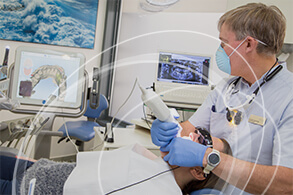
- Scan of your mouth — We take a precise digital scan (or impression) of your teeth to capture their exact shape.
- Custom trays made — Using this scan, we create bespoke whitening trays moulded precisely to your teeth for an even, comfortable fit and consistent gel coverage.
- Wearing your trays — You’ll wear your trays with the whitening gel either for around 2 hours during the day (hydrogen peroxide) or overnight (carbamide peroxide), depending on the gel prescribed.
- Review appointment — Partway through treatment, we check your progress, assess your shade, and make any adjustments to your plan.
- Top-ups as required — Once you’ve reached your desired shade, you can keep your trays and simply order more gel to top up your whitening whenever your smile needs a refresh.
Getting More Whitening Gel
If you’d like to purchase additional whitening gel in the future, you’ll need to have had a dental check-up to confirm your mouth is healthy. Whitening should only be carried out on a mouth free from untreated decay, gum disease, or other oral health issues, as these can affect both safety and results. This is why we require an up-to-date check-up before dispensing further gel — it protects your teeth and ensures you get the best possible outcome.
Our Top Tips for Tray Whitening Techniques
Use a sensitive toothpaste for a few weeks before you start whitening — this helps prepare your teeth and can reduce sensitivity once treatment begins.
Dry your teeth before applying the tray and gel. Saliva near the gum line can prevent the necks of the teeth from whitening fully, so a dry surface helps ensure even results.
Frequency matters more than volume. It’s far better to use a small amount of gel and apply it consistently, rather than overfilling the tray and using it less often.
If your teeth become too sensitive to complete the two-week course, take a night off — wear your trays overnight loaded with sensitive toothpaste instead — then continue whitening the following night.
Interested in whitening? Book a consultation with our team to find out if you’re a suitable candidate and to discuss which gel option is right for you.
Call us on: 0207630870
Email reception@citydental.co.uk
Book online City Dental Booking
Back to treatments