What is Composite Bonding?
Composite bonding is the process of using white filling material (composite) to improve the aesthetics of the tooth.
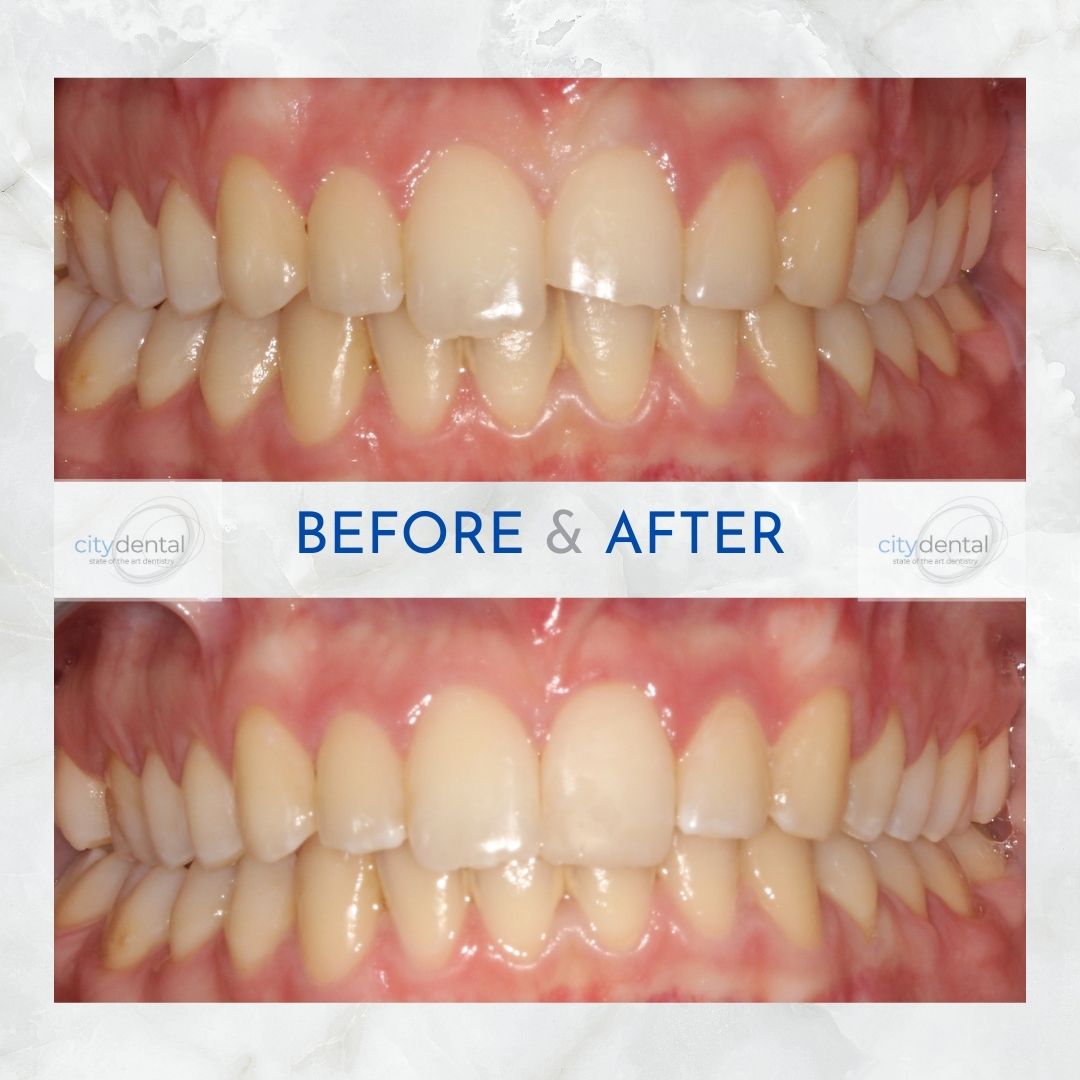
Using white filling material, we can change the shape, colour, and disguise gaps in the teeth. The process is minimally invasive, quick, and often completed in a single visit, making it a versatile and affordable option for improving your smile.
How Does Composite Bonding Work?
The resin is chosen to match the natural shade of your teeth for a seamless, natural-looking result.
Place Composite on the teeth
A putty-like composite resin, a mixture of plastic and fine glass particles, is applied to the tooth.
We sculpt and shape the resin to match your natural teeth, correcting issues like chips, cracks, and gaps.
Set and polish the Composite
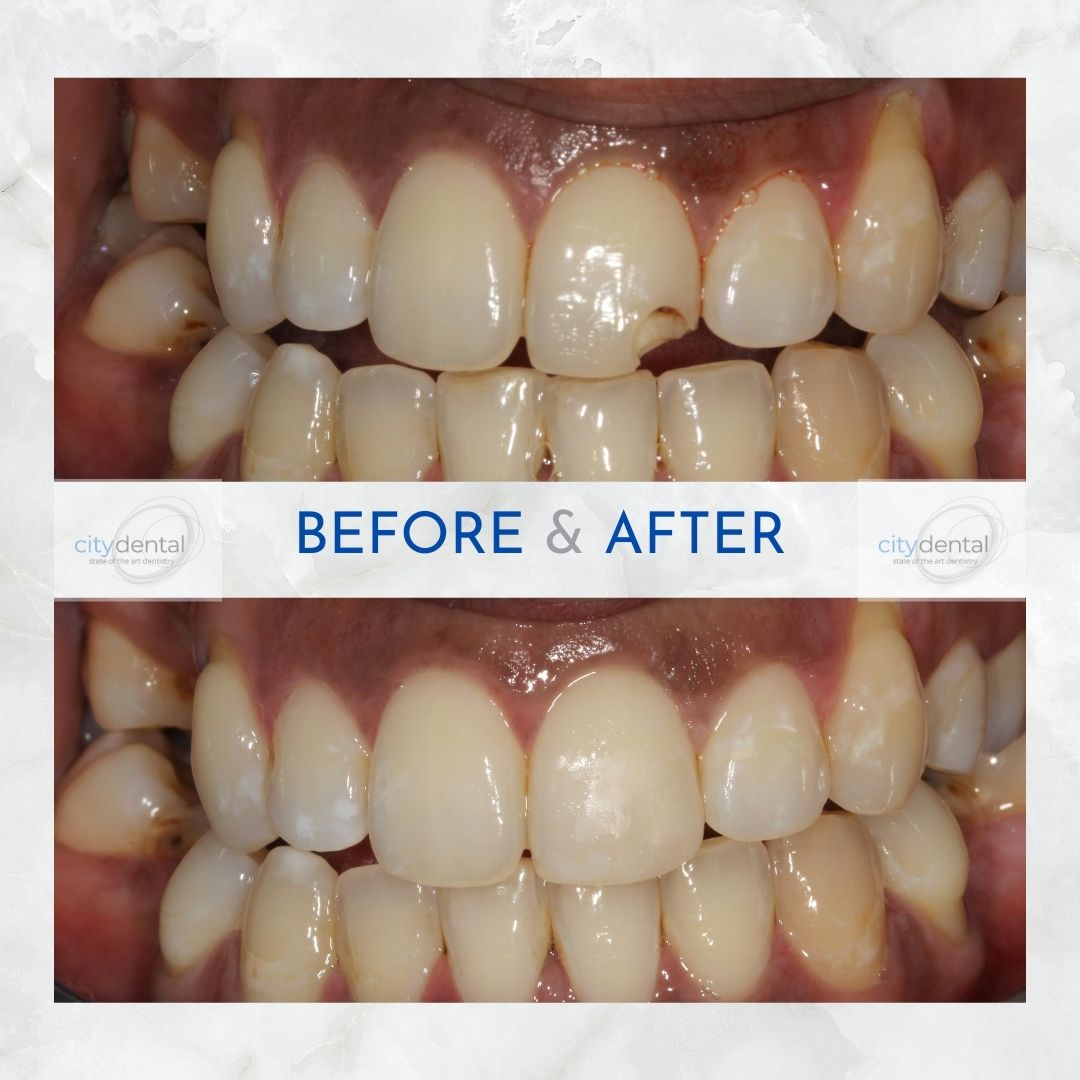
A special UV light is used to harden the resin, after which we then polish the filling.
What are the Benefits of Composite Bonding?
- Fast and convenient: The entire procedure can often be completed in a single visit.
- Minimally invasive: It is a non-invasive procedure that preserves your natural teeth.
- Affordable: It is a more cost-effective option compared to other complex dental treatments like porcelain veneers
- Reversible: The process can be reversed since no permanent damage is done to the tooth structure.

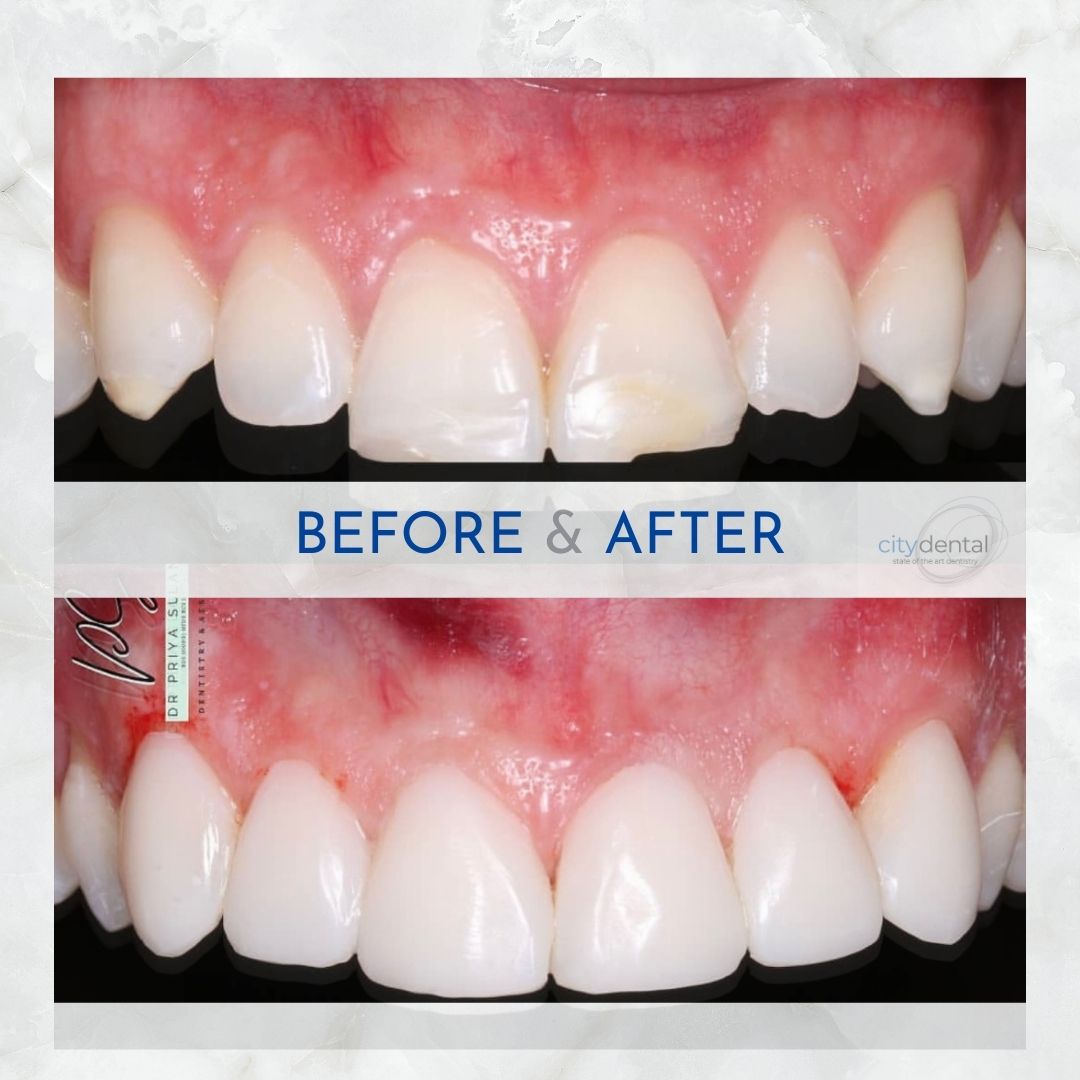
Whats the difference between Composite Bonding and Porcelain Veneers
Porcelain veneers are custom-made ceramic covers that are cemented to the front surfaces of your teeth. To place them, we will gently and minimally cut the front of your tooth, take some impressions of your teeth, and make your custom smile. The veneers are often placed two weeks later. Once placed, porcelain veneers are not reversible. They’ll typically last for 10 to 20 years but this varies depending on your mouth and how well you look after them
Dental composite does not require any tooth removal and so is better for the health of the tooth. However, the composite surface is more likley to pick up stain or chip than porcelain veneers. Therefore, we advise that the composite bonding is refreshed every few years.
Frequently asked questions
What is composite bonding?
Composite bonding is a cosmetic dental treatment in which a tooth-coloured resin material is applied directly to the surface of the teeth and sculpted by hand to improve their shape, size, colour or overall appearance. It is used to correct chipped, gapped, discoloured or slightly misaligned teeth. Unlike veneers or crowns, composite bonding requires little to no removal of natural tooth structure, making it one of the most conservative cosmetic treatments available.
Is composite bonding painful?
Composite bonding is generally a pain-free procedure. In most cases it is carried out without any local anaesthesia, as very little preparation of the tooth is needed. Patients occasionally experience mild sensitivity in the days following treatment, particularly if any tooth surface was lightly etched as part of the bonding process, but this settles quickly. If you are nervous or anxious about dental treatment, please let us know — we are happy to discuss ways to make your appointment as comfortable as possible.
How much does composite bonding cost at City Dental?
At City Dental, composite bonding is priced between £200 and £350 per tooth, depending on the extent of the work required. The total cost of treatment will depend on how many teeth are being treated. We provide a full written quote at your consultation before any treatment begins, so you have a clear picture of the investment before you commit. Please call us on 020 7638 0870 or visit our fees page for more information.
How long does composite bonding last?
With good care, composite bonding typically lasts between five and seven years before it may need refreshing or replacing. The lifespan depends on how well the teeth are looked after, lifestyle factors such as diet and habits, and the location of the bonding in the mouth. Front teeth used for biting tend to experience more wear than teeth that are bonded purely for cosmetic reasons. Regular check-ups allow us to monitor the condition of the bonding and advise you when any maintenance is needed.
What aftercare is needed for composite bonding?
Composite resin is more susceptible to staining and chipping than natural enamel, so some care is needed to protect your results. We recommend avoiding foods and drinks that stain heavily — such as red wine, coffee, and tea — particularly in the first 48 hours after treatment. Avoid biting directly into hard foods such as crusty bread, hard sweets or ice, as composite can chip under pressure. If you grind your teeth at night, a night guard is strongly advisable to protect both the bonding and your natural teeth. Brush twice daily with a non-abrasive toothpaste and attend regular hygiene and check-up appointments.
What is the difference between composite bonding and veneers?
Both treatments improve the appearance of the teeth, but they differ in material, process and longevity. Composite bonding uses resin applied directly to the tooth in a single appointment — no lab work is required, minimal tooth preparation is involved, and the treatment is fully reversible. Porcelain veneers are thin ceramic shells fabricated in a dental laboratory and bonded to the front surface of the tooth. They require a small amount of enamel to be permanently removed, are not reversible, but are significantly more durable and stain-resistant, typically lasting ten to fifteen years or more. Veneers also tend to produce a more consistent, high-definition result.
Composite bonding is an excellent choice for patients seeking a conservative, cost-effective improvement; veneers are better suited to patients who want a longer-lasting, premium result. We will discuss both options at your consultation and recommend what is most appropriate for your teeth and goals.
Back to treatments