Your Guide to Dental Bridges
A dental bridge is a long-lasting way to replace one or more missing teeth, helping to restore your smile, improve chewing, and support the balance of your bite. This page explains how bridges work, what to expect during treatment, and how to care for your bridge once it has been fitted.
What is a dental bridge?
A dental bridge is a fixed restoration used to replace one or more missing teeth. It is supported by the neighbouring teeth or, in some cases, by dental implants.
- A bridge fills the gap left by a missing tooth or teeth.
- It can restore appearance, speech, and chewing function.
- It can also help prevent neighbouring teeth from drifting into the space.
- Dental bridges are fixed in place, so they are not removed like dentures.
Why choose a dental bridge?
- Replaces missing teeth with a natural-looking fixed option.
- Helps restore confidence in your smile.
- Improves chewing ability and speech.
- Supports neighbouring teeth and helps maintain the shape of your bite.
- Can be an effective alternative to a denture in suitable cases.
What are the alternatives to a Dental Bridge?
1. Leaving the gap
Not replacing the tooth sometimes a reasonable option. Talk to your dentist to understand if this is suitable for you
2. Dental Implant
A dental implant replaces a single tooth by placing a screw into your jaw, and then we can place a crown on top. It is fixed in your mouth, and does not require the support of any of your natural teeth. Learn more about implants by clicking here.
3. Denture
A denture is a removable tooth. You wear it during the day, and take it our at night. False teeth are stuck to either metal or plastic frame, which covers the area around the teeth to keep it in place. Learn more about dentures by clicking here.
Types of dental bridge
Your dentist will recommend the most suitable type of bridge depending on the position of the missing tooth, the condition of the supporting teeth, your bite, and your long-term goals.
- Traditional bridge: Supported by crowns placed on the teeth either side of the gap.
- Cantilever bridge: Supported by a tooth on one side only in selected cases.
- Resin-bonded bridge: A more conservative option that uses wings bonded to the back of neighbouring teeth, often used for front teeth.
- Implant-supported bridge: Attached to dental implants rather than natural teeth where appropriate.
The treatment journey
- Consultation and planning: Your dentist will examine your teeth and gums, assess the gap, and discuss whether a bridge is the right option for you.
- Preparation of supporting teeth: If a traditional bridge is planned, the supporting teeth are usually reshaped to create space for the restoration. This is done as conservatively as possible.
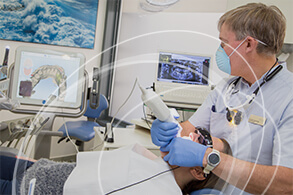
- Digital scanning: We use digital scanning rather than traditional impressions to record your teeth accurately.
- Temporary bridge: In many cases, a temporary restoration is placed while your final bridge is being made.
- Bridge fit appointment: The fit, bite, comfort, and appearance of the bridge are checked before it is cemented into place.
- Review and maintenance: A review appointment may be arranged to make sure the bridge feels comfortable and is functioning well.
Important information about dental bridges
Dental bridges are a well-established and effective treatment, but like all dental restorations, they involve planning, maintenance, and adaptation. The points below are designed to help you understand the treatment clearly and make an informed choice.
- Preparation of supporting teeth: To provide support for a bridge, the neighbouring teeth may need to be shaped so that crowns or retainers can be placed over them. This is done as conservatively as practical.
- Anaesthetic and normal short-term effects: Local anaesthetic is usually used during treatment. Some people may notice temporary numbness, mild swelling, tenderness in the jaw muscles, or sensitivity afterwards.
- Sensitivity after preparation or fitting: It is common for supporting teeth to feel sensitive after they are prepared or after the bridge has been fitted. This may be mild or more noticeable and often settles with time.
- Supporting teeth may need further treatment: Occasionally, a tooth supporting a bridge may later develop inflammation or changes within the nerve. If symptoms persist, root canal treatment may sometimes be recommended. In a small number of cases, a tooth may not heal as expected and further treatment, including extraction, may be needed.
- Adjustment period: A bridge can feel slightly different at first because it is replacing missing teeth and changing the way your bite meets together. Most patients adapt well over time.
- Jaw joint or muscle awareness: Some patients notice temporary muscle tenderness or jaw joint awareness while adjusting to the new bite. This usually improves, although occasionally symptoms can last longer and may need review.
- Appearance: Your dentist will check the appearance of the bridge with you before final cementation wherever possible, so that shape, colour, and overall look can be reviewed.
- Breakage or chipping: Bridges are designed to be durable, but like natural teeth, they can chip, crack, or break under heavy forces, trauma, or if hard foods are bitten unexpectedly.
- Longevity: The lifespan of a bridge depends on a number of factors, including oral hygiene, gum health, bite forces, diet, smoking, regular dental attendance, and the health of the supporting teeth. Most dental bridges are still in place at 10 years post fitting.
- No fixed lifespan: Bridges can last many years, but no dental restoration can be guaranteed for a specific period of time.
- Importance of reviews: Regular dental examinations and hygiene appointments are important so that the bridge and supporting teeth can be monitored over time.
- Your role in success: Good home care (oral hygiene), attending appointments as advised, and contacting the practice if anything feels loose, sore, or unusual all help support the long-term success of your bridge.
- Timing matters: If appointments are missed or delayed, temporary restorations or prepared teeth may change, which can affect the fit of the final bridge and may result in additional treatment or cost.
Benefits of dental bridges
- Natural-looking replacement for missing teeth.
- Fixed in place for everyday convenience.
- Restores function for chewing and speaking.
- Helps maintain facial support and bite stability.
- Can provide an excellent aesthetic and practical result in the right case.
Aftercare and maintenance
Looking after a bridge properly is essential for keeping both the bridge and the supporting teeth healthy.
- Brush thoroughly twice a day using a fluoride toothpaste.
- Clean around and underneath the bridge daily using floss threaders, super floss, or interdental brushes as recommended by your dentist or hygienist.
- Attend regular check-ups and hygiene visits so that the bridge and surrounding gums can be monitored.
- Avoid biting very hard items such as ice, pens, or very hard sweets, which may increase the risk of damage.
- Take care with sticky foods if you have a temporary bridge in place.
- If you clench or grind your teeth, your dentist may recommend a night guard to help protect your bridge.
- Contact the practice promptly if the bridge feels loose, your bite changes, or you notice persistent discomfort or sensitivity.
What to expect after your bridge is fitted
- Your bridge may feel slightly unfamiliar at first.
- The gum around the area may feel a little tender for a short time.
- You may need a brief period to get used to cleaning under the bridge.
- Your bite should feel even and comfortable; if it does not, a simple adjustment may help.
- If sensitivity or discomfort continues rather than gradually improving, it is best to arrange a review.
When to contact us
Please get in touch if you notice any of the following:
- The bridge feels loose or moves.
- You have ongoing pain or increasing sensitivity.
- Your bite feels uneven or uncomfortable.
- You notice swelling, bleeding, or difficulty cleaning around the bridge.
- The bridge chips, cracks, or becomes damaged.
Questions about dental bridges?
If you would like to know whether a dental bridge is right for you, our team will be happy to talk through your options and help you choose the most suitable treatment for your smile, comfort, and long-term oral health.