Your Guide to Dental Crowns
Welcome to your patient information page. This guide explains what crowns are, what to expect during treatment, and practical details about our crown options, including different materials. It also covers our digital impression process and considerations when planning a crown.
What is a crown?
- A crown is a tooth-shaped cap that covers and protects a damaged or decayed tooth.
- Crowns can restore strength, shape, size, and appearance, helping you chew comfortably and smile with confidence.
- Crowns come in several material options, each with its own look, strength, and care needs.
Why choose a crown?
- Restores damaged or heavily decayed teeth to full function.
- Improves aesthetics by matching the colour and shape of natural teeth.
- Provides protection for a tooth that has had root canal treatment or extensive dental work.
- Improves bite alignment and chewing efficiency.
The treatment journey (what to expect)
- Consultation and planning: Your dentist will assess the tooth/teeth to be restored and discuss whether a crown is suitable and which material might be best for you.
- Tooth preparation: The tooth is conservatively reduced to make space for the crown. Local anesthesia is usually used to ensure comfort.
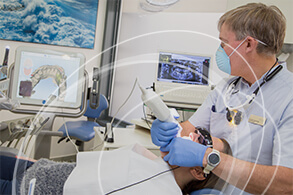
- Impressions or digital scanning: We use digital scanning rather than traditional impression materials to capture your teeth precisely. You will be provided with a scanning sleeve for your exclusive use during treatment.
- Temporary crown: A temporary crown may be placed while your final crown is fabricated.
- Final crown placement: The final crown is checked for fit, shade match, and comfort, then permanently cemented.
- Follow-up: A short follow-up visit may be scheduled to ensure everything is functioning well.
Digital impressions and scanning sleeve
We practice digital dentistry, which means we scan your teeth instead of taking traditional impressions.
Crown material we typiclly use
There are different materials we can use for your crown. We will pick the best crown for you during your consulation appointment. Here is an overview of the different types of crown we typically do:
Emax (lithium disilicate)
- Aesthetics: Excellent natural appearance and translucency.
- Strength: Strong enough for many front and some back teeth with proper design.
- Indications: Ideal when a highly natural look is important.
- Considerations: Very thin rims provide beauty, however, we may not be appropriate if you bite with very heavy force
Zirconia
- Aesthetics: Very natural-looking, though translucency is generally less than lithium disilicate.
- Strength: High fracture resistance; excellent for molars (back teeth) and patients who grind or clench.
- Indications: Great choice for back teeth and durability-focused patients.
- Considerations: Shade matching can be challenging in some cases; all-ceramic versions are common.
Porcelain-to-Metal (PFM)
- Aesthetics: Good appearance, but metal underlayer can sometimes show at the gum line.
- Strength: Strong due to metal substructure; reliable for a wide range of teeth.
- Indications: Historically common; solid option when metal strength is beneficial.
- Considerations: The aesthetics are poorest of the three options. Typically we use Zirconia for most of cases requiring PFM’s now.
Important considerations and information
- Tooth structure reduction: To place a crown, the tooth/teeth are shaped to allow for the crown. Anesthesia is usually used, and temporary numbness or mild swelling can occur. These effects are typically temporary.
- Sensitivity: Teeth may be sensitive after tooth preparation or after receiving a crown. Sensitivity ranges from mild to more noticeable and may last longer than expected.
- Root canal considerations: In some cases, the tooth may need root canal treatment if the nerve becomes inflamed or damaged. If long-lasting sensitivity develops, your dentist may evaluate the need for root canal therapy.
- Breakage and wear: Crowns can chip or break under certain conditions, such as chewing hard objects or trauma. Cracks may develop that aren’t visible initially. With proper care, breakage is not common, but it can occur.
- Adaptation: There can be a period of adjustment as your mouth adapts to the crown. You may notice bite changes or feel differences, which usually improve with time. In some limited cases, jaw muscle soreness or TMJ tenderness may persist for a period after placement.
- Aesthetics: You will have the opportunity to observe the crown’s appearance before final cementation to ensure you’re happy with the look.
- Longevity: The lifespan of crowns depends on many factors, including oral hygiene, diet, and regular dental check-ups. While we aim for long-lasting results, there are no guarantees about how long a crown will last. Most crowns are in place still at 10 years post placement.
- Your responsibility: Following your dentist’s instructions and keeping scheduled appointments is important. Missing cementation or follow-up visits can impact fit and longevity and may incur additional costs.
Aesthetic and functional outcome
- You’ll have the opportunity to assess the crown’s appearance and feel before final cementation in many cases.
- The goal is a restoration that looks natural, feels comfortable, and restores chewing efficiency.
Aftercare and maintenance
- Maintain good oral hygiene: Brush twice daily, floss or use interdental cleaners daily, and attend regular check-ups.
- Attend reglar hygiene cleanings with your dentist or hygienist
- Avoid very hard foods or habits that may stress the crowned tooth (e.g., chewing ice) to reduce the risk of chipping.
- Report any unusual sensitivity, discomfort, or changes in bite promptly to your dentist.
Questions or concerns?
We’re here to help. If you have questions about crowns, the materials available, the digital impression process, or anything in this information, please speak with your dental team. If you experience issues between visits, contact us promptly so we can assess and guide you.